One of the first things noticed in Book One of Milton's
Paradise Lost is that there are many references back to the Bible, which has been mentioned by other bloggers. I too noticed that, but in addition to Bible references, I noticed a step (or two) back in time, back to the classic writings of the Greeks and Romans.
Right away within the first few pages, Milton refers to Homer and/or Virgil who were very prominent writers, Homer the Greek writer and Virgil the Roman writer.
Shortly after that, Milton dives into the world of Greek mythology,
"Nine times the spaces that measures day and night..."(1.50)
In Milton's book, Satan and his fellow fallen angels spent nine days falling into hell. In Greek mythology, the Titans spent nine days falling to Earth. Milton continues his Titan reference a few pages later by describing Satan as,
"As whom the fables name of monstrous size: Titanian or Earth-born that warred on Jove, Briareos or Typhon whom the den By ancient Tarsus held..." (1.197-200)
Milton tells us that Satan is as strong as the Greek Titans and Giants who fought battles against Jove. A little more research into the Titans has led me to believe that the Titans and Satan and his followers have a bit more in common. The Titans reigned and ruled high above, similar to how Satan was once in heaven, although he did not reign or rule in heaven. After some time, the Titans lost a battle with the Olympians, thus sending them to Tartarus, a very deep point of Hades, a Greek mythology version of hell. Similarly, Satan and other angels who sided with him fought in a war against God, lost their place in Heaven and were sent to hell.
One final portion that I chose to discuss focuses heavily on the Greeks and their fighting spirit and way.
"Their visages and statures as of gods, Their number last he sums. And now his heart Distends with pride and, hard'ning in his strength, Glories. For never since created Man Met such embodied force as named with these Could merit more than that small infantry Warred on by cranes, though all the giant brood Of Phlegra with th' heroic race were joined That fought at Thebes and Ilium, on each side Mixed with auxiliar gods, and what resounds..." (1.570-579)Milton is telling us that this army of fallen, or rebel as mentioned in the book, angels are mightier than any Greek army. That is a strong and bold statement as the Greeks were quite the warriors. The Spartans from Sparta were known for their fighting spirit and ability and were trained to fight at a young age. The Greek armies that fought in wars at Troy and the Trojans were quite brutal too. Yet, these rebel angels make these big fighting forces look small and weak.
Now that we know some of Milton's Classical references this far, we haven't answered this question: why did he refer to them? Did he see himself as the second Homer or Virgil? Was he personally facinated by these period of history? Or did he think he'd toss in some classic references just for the fun of it?
Answer: Milton wrote in the Renaissance time period.
Ok, so what's so special about that? Lots of people wrote then.
To start, Renaissance means "new birth". In this "new birth" a new found interest in the classical writings came about. This new birth brought new life to the classics that had been ignored by the previous writers and thinkers of the Middle Ages. In fact, it had become a trend by many writers to look back to the classics and refer to them in their writings. Milton, being a true Renaissance writer, picked up on this trend and applied it to his work
Paradise Lost. Because of this trend in the Renaissance, Milton's work is not just connected to the Bible, but also the classics and certainly many other writings and time periods as well.
To end, I think I should list (or cite) my additional sources. I don't know everything about the Titans and Greek mythology, so I needed a little support!
www.greekgods.info and
www.greekmythology.com

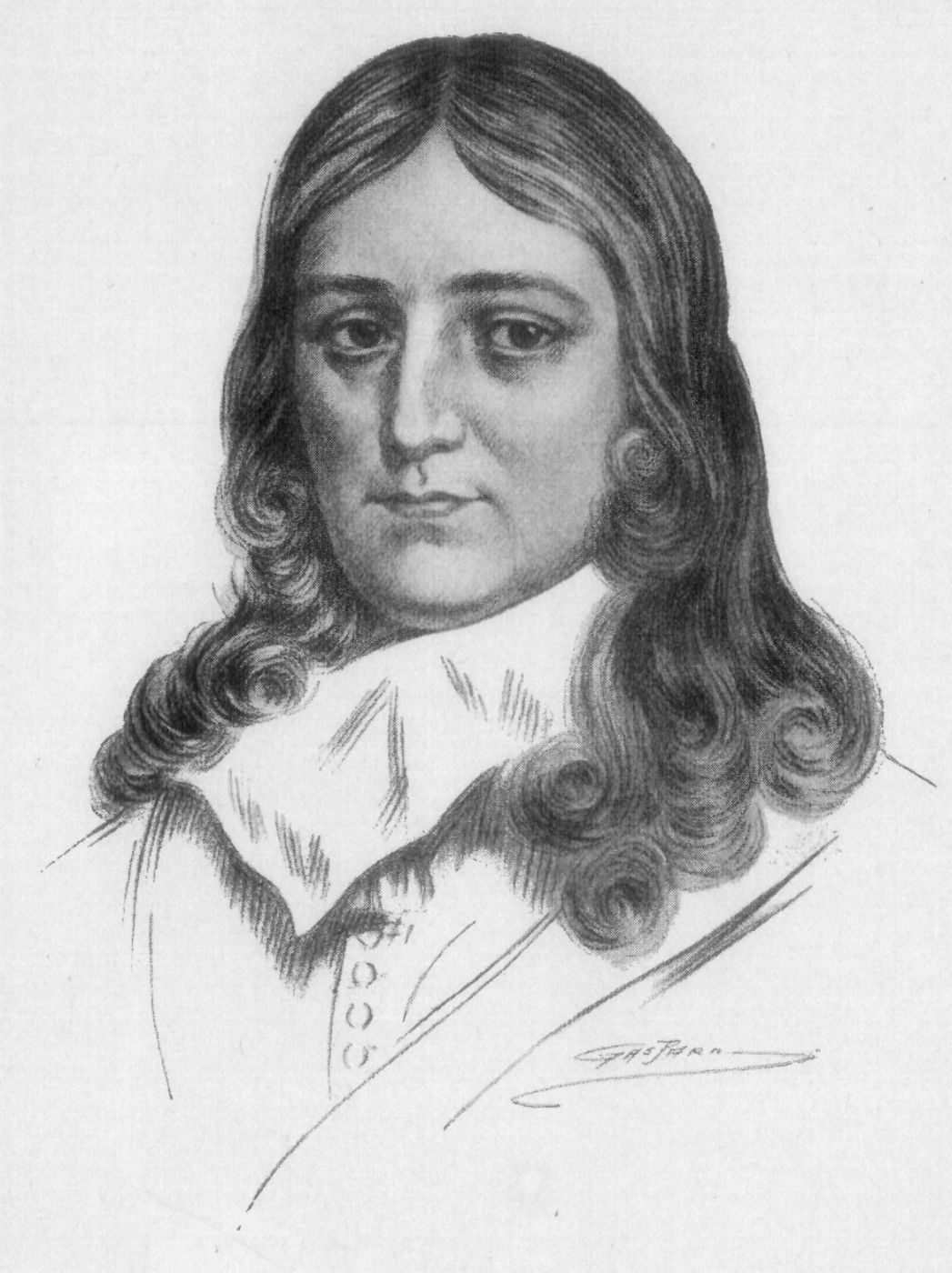


 http://www.spartacus.schoolnet.co.uk/STUlely2.jpg Here is a sketch of Charles I: